FCL
A dedicated container for a shipment where load integrity and one consolidated dispatch matter.
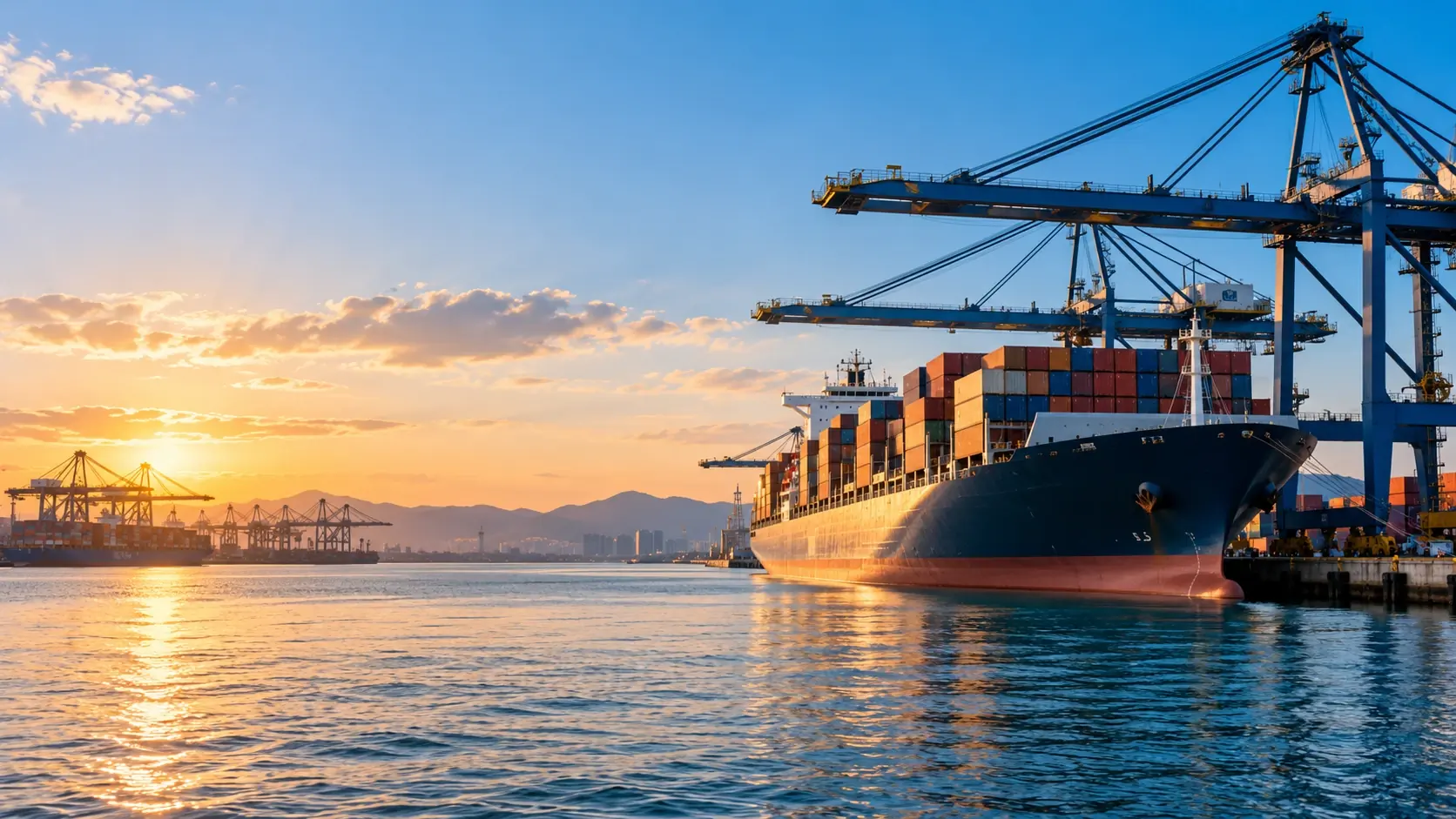
We organize the sea leg and connect it with delivery to port, terminal handling and the last mile.
Sea freight works for international shipments where container capacity and the ability to build a long route through a port are important. We coordinate not only the sea leg, but also the connected inland stages.
FCL means a dedicated container for one shipment. LCL allows several smaller shipments to share a container. The right format depends on volume, cargo characteristics and route logic.
A dedicated container for a shipment where load integrity and one consolidated dispatch matter.
Consolidation of smaller shipments when a full container is not required.
Organization of the road or rail leg to the origin terminal.
Container pickup and onward delivery to the warehouse or consignee.
Sea freight is considered for large international shipments, containerized cargo and routes where main-haul cost matters more than maximum speed.
We connect inland delivery, terminal operations, the sea leg and the last mile into one sequence.
We clarify shipment volume, container type, ports and the final delivery point.
We align the inland leg, port operations and sea route.
We support cargo handovers between participants and across route transitions.
We continue delivery after the container arrives at the destination port.
Provide the ports, shipment volume and final delivery point — we will build the sea leg together with the inland first and last mile.